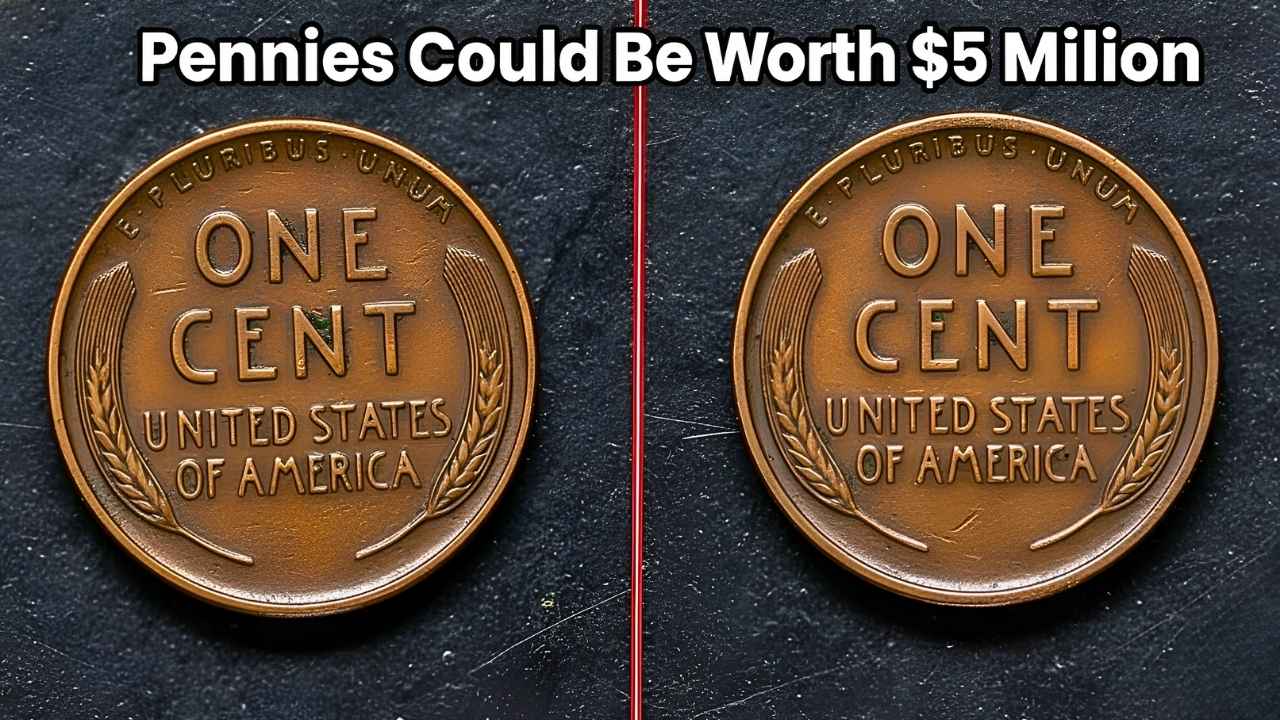
America Is Phasing Out the Penny: For over a century, the penny has been a small yet iconic part of American currency. However, recent announcements indicate that the United States is preparing to phase out the penny from circulation. While many coins will simply disappear from everyday use, a few rare and historically significant pennies could become some of the most valuable coins in the country. Some experts predict that certain rare pennies could fetch up to $5 million at auction, creating a buzz among collectors and casual coin owners alike.
Why the Penny Is Being Phased Out
The decision to phase out the penny stems from practicality and economics. Producing pennies has become increasingly expensive, with the cost of materials often exceeding the coin’s face value. Additionally, pennies are less useful in everyday transactions, as many businesses round prices to the nearest five cents. Removing the penny could simplify transactions, reduce production costs, and encourage efficiency in the currency system.
Despite their decreasing utility, pennies remain beloved by collectors and history enthusiasts due to their cultural significance and long-standing place in American society. As production ends, these coins will shift from everyday currency to collectible artifacts.
What Makes Certain Pennies Extremely Valuable
Not all pennies will see a dramatic increase in value. The coins with the highest potential are those with historical significance, rare minting errors, or extremely limited circulation. A few factors contribute to a penny’s extraordinary value.
First, rarity plays a crucial role. Coins minted in small quantities or with unique variations often become highly sought after. Errors, such as double strikes, off-center impressions, or missing elements, can transform ordinary pennies into multi-million-dollar collectibles. Condition also matters; uncirculated pennies or those preserved in pristine condition are more valuable than worn coins.
Finally, historical context can elevate a coin’s worth. Pennies from pivotal years, or those marking the final production runs, can attract collectors who want to own a piece of history. The combination of rarity, condition, and historical significance makes certain pennies extremely valuable.
Examples of Pennies That Could Reach $5 Million
Experts have identified several categories of pennies likely to skyrocket in value once the penny is phased out.

One example is the 1943 copper penny. Most pennies from that year were made of steel due to wartime copper shortages. A rare surviving copper version is extraordinarily valuable. Another example is the 1909-S VDB Lincoln penny, which was produced in limited quantities and features the initials of designer Victor David Brenner.
Additionally, the last pennies produced before the official discontinuation could become highly desirable. Collectors often prize “final edition” coins, as they represent the end of an era. If these coins are well-preserved, they could sell for millions at auction.
How to Identify Valuable Pennies
Identifying rare and valuable pennies requires attention to detail. First, check the year and mint mark. Coins from specific years or certain mints often carry higher value. Look for unusual characteristics, such as design anomalies, extra or missing features, or doubled images.
Condition is also crucial. Coins with minimal wear, clear inscriptions, and intact surfaces are more desirable. Many collectors use grading systems to assess quality, with higher grades significantly increasing a coin’s market value.
Finally, provenance can enhance value. Coins with documented history, such as previous ownership by notable collectors, or inclusion in significant collections, may fetch higher prices.
The Role of Auctions in Determining Value
Rare pennies typically achieve their highest value through auctions. Auction houses evaluate coins based on rarity, condition, historical importance, and current market demand. The excitement of competitive bidding often drives prices far above initial estimates, especially for coins that are one-of-a-kind or exceptionally rare.
In the case of pennies approaching $5 million in value, auction houses carefully verify authenticity and may seek certification from professional grading organizations. Buyers are often collectors or investors who recognize the long-term historical and monetary significance of these coins.

How Collectors Can Protect Their Investments
For those fortunate enough to own rare pennies, proper care and storage are essential. Coins should be kept in climate-controlled environments to prevent corrosion or damage. Using protective holders or cases can prevent scratches and preserve the coin’s condition.
Insurance is also important. High-value coins should be appraised and insured to protect against theft, loss, or accidental damage. Documenting the coin’s provenance and any certifications can further secure its value.
Why the Phase-Out Increases Collectibility
The discontinuation of the penny transforms these coins from everyday currency into historical artifacts. As circulation ends, the number of available coins becomes fixed, and rarity naturally increases. Collectors who previously overlooked common pennies may now see them as essential pieces to complete collections.
Moreover, cultural interest in the penny grows when it becomes symbolic of a bygone era. Coins once considered ordinary gain historical and sentimental value, adding to their appeal. The combination of scarcity, history, and nostalgia makes this an exciting time for collectors.
What This Means for Everyday Americans
While only a few pennies will reach multi-million-dollar values, everyday Americans may still hold coins of interest. Family collections, loose pennies in jars, or inherited coins could contain rare examples. Even less extreme examples of discontinued pennies may increase modestly in value, offering an opportunity for casual coin owners to explore collecting.
It is also an educational opportunity. Learning to identify valuable pennies, understanding mint marks, and recognizing errors can turn a simple hobby into a rewarding pursuit. Awareness of the penny’s historical and monetary significance encourages appreciation for a small coin with a long legacy.
Final Thoughts
The phasing out of the penny marks the end of an era in American currency. While most coins will simply become collectibles of moderate interest, a few rare and historically significant pennies could fetch astonishing sums, potentially reaching $5 million at auction. The combination of rarity, condition, historical significance, and final production status elevates these coins beyond ordinary currency into treasured artifacts.

For collectors, casual coin owners, and history enthusiasts, this transition is both exciting and meaningful. The humble penny, once taken for granted in pockets and cash registers, now represents a tangible link to American history and a potential fortune for those who recognize its value.
Owning a rare penny is more than a financial investment; it is a chance to preserve a piece of American heritage and witness the final chapter of a coin that has circulated for over a century. Whether you are a seasoned collector or a casual observer, the era of the penny is ending, but its legacy and potential value are only beginning to be fully realized.
